LUCALabs: Listen Phase

Powered by the Science of Reading

Finally Know Why Your Child Keeps Missing the Same Sounds.

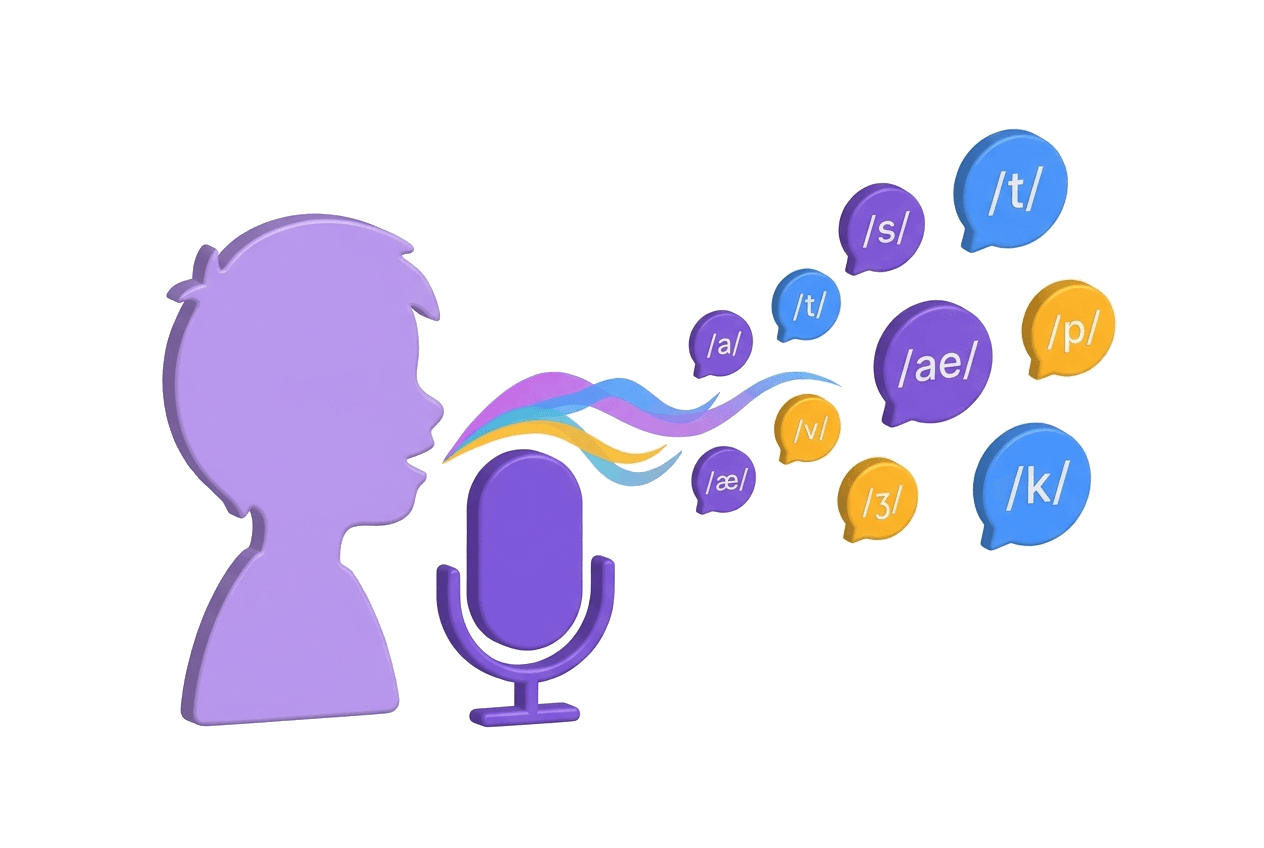
SoundScout is LUCA's phoneme-level speech recognition engine that identifies which specific sounds cause reading errors — not just whether a word was right or wrong. Now you can finally know exactly what to work on.

What SoundScout Hears

Child reads:

/s/ /ɪ/ /p/

"sip"

Text expects:

/ʃ/ /ɪ/ /p/

"ship"

/sh/ to /s/ substitution detected: digraph weakness

Trusted by schools and backed by leading research institutions

National Science Foundation SBIRCarnegie Mellon UniversityUnited States Patent and Trademark OfficeNewSchools Venture FundProvident Charter SchoolNew Kensington-Arnold School DistrictSXSW EDUNational Science Foundation SBIRCarnegie Mellon UniversityUnited States Patent and Trademark OfficeNewSchools Venture FundProvident Charter SchoolNew Kensington-Arnold School DistrictSXSW EDU

SoundScout is LUCA's phoneme-level speech recognition engine that identifies which specific sounds cause reading errors, not just whether a word was right or wrong. While most reading tools document failure after the fact, SoundScout gives parents and educators the precise signal needed to fix the right thing the first time. Powered by LUCALabs, SoundScout is the Listen phase of LUCA's three-part intelligent reading cycle.

The Challenge

Does This Sound Familiar?

pencil purple

“We practice reading every night, but my child is still missing the same sounds. I don't know which ones to focus on.”

magnifying glass purple

“The reading app just says 'incorrect.' It never tells me why my child is getting it wrong.”

chart purple

“We've tried three different programs. They all track progress, but none of them explain what's actually causing the problem.”

target blue

“My child is practicing, but I worry they're drilling sounds they already know while the real gap goes unnoticed.”

Word-level tools document failure. They don't prevent it.

When a reading program only marks words right or wrong, it gives you a report card with no road map. Parents spend time on the wrong things. Children practice skills they've already mastered while the real gap stays hidden.

See how LUCA fixes this
LUCALabs

The Specialist Core Behind Every Session

SoundScout hears every sound your child makes at the phoneme level, the same precision a specialist uses in a one-on-one session, so LUCA knows exactly where to focus next.

SoundScout phoneme-level listening

Listens

Phoneme-level precision

SoundScout captures every sound your child produces during oral reading and segments it into individual phonemes, timestamped and isolated.

Assessment Intelligence pattern analysis

Analyzes

Pattern recognition across sessions

Each flagged sound is matched against LUCADictionary's 763,000+ grapheme-phoneme mappings. Mismatches build into a pattern map that shows exactly which skills are missing.

StoryGen targeted practice

Builds

Targeted practice, not busywork

The signal drives StoryGen and Assessment Intelligence to create stories and sessions that drill the exact sounds causing difficulty, and skip everything your child already knows.

Before vs. After

The Difference Phoneme-Level Listening Makes

Here is what changes when LUCA listens at the sound level instead of the word level.

Without Phoneme-Level Listening

Student reads "sip" instead of "ship"

Result: Marked incorrect. No further detail.

Parent sees: 1 error on this word

No information about which sound caused the mistake.

Next step: General review

Practice may target skills your child has already mastered. The real gap stays hidden.

With SoundScout

Student reads "sip" instead of "ship"

SoundScout identifies a /sh/ to /s/ substitution at the onset position.

Pattern recognized: Digraph weakness

This is the third /sh/ substitution in 200 words, confirming a systematic gap.

Next step: Targeted /sh/ practice

StoryGen builds stories emphasizing /sh/ words at your child's reading level. So you finally know exactly what to work on, no more guessing.

40% more errors detected compared to word-level recognition (TO VERIFY: link to /our-technology/evidence for published evidence row).

So you finally know exactly what to work on. No more watching your child practice the wrong thing night after night.

The Listen Phase

How SoundScout Works

Every oral reading session moves through three steps, from raw audio to actionable signal.

1

Phoneme Segmentation

Audio captured during oral reading is segmented into individual phonemes using advanced speech recognition. Each sound your child produces is isolated and timestamped.

2

Dictionary Alignment

Each spoken phoneme is matched against the expected phonemes from the text using 763,000+ grapheme-phoneme mappings in LUCADictionary. Mismatches between spoken and expected sounds are flagged with their position and type.

3

Error Classification and Signal

Detected errors are classified by type (substitution, omission, insertion, vowel confusion) and aggregated into patterns. This signal is sent to Assessment Intelligence to identify systematic weaknesses and drive targeted practice in StoryGen.

Error Types SoundScout Identifies

Each error type reveals a different underlying skill gap, enabling precise intervention.

Error TypeExampleWhat It Reveals
Substitution"sip" for "ship"/sh/ to /s/ confusion (digraph weakness)
Omission"bes" for "best"Final consonant blend difficulty
Insertion"buhlack" for "black"Blend separation habit
Vowel Confusion"bit" for "bet"Short /e/ and short /i/ confusion
NSF Validated

Results Parents and Educators See

+0.0
WPM
Average Fluency Gain
2026 Pilot
+0.0%
Accuracy Gain
Average improvement
2026 Pilot
0K+
GP Mappings
Grapheme-Phoneme Pairs
0K+
Words Read
in Pilot

Pilot results. See full evidence for methodology and study details.

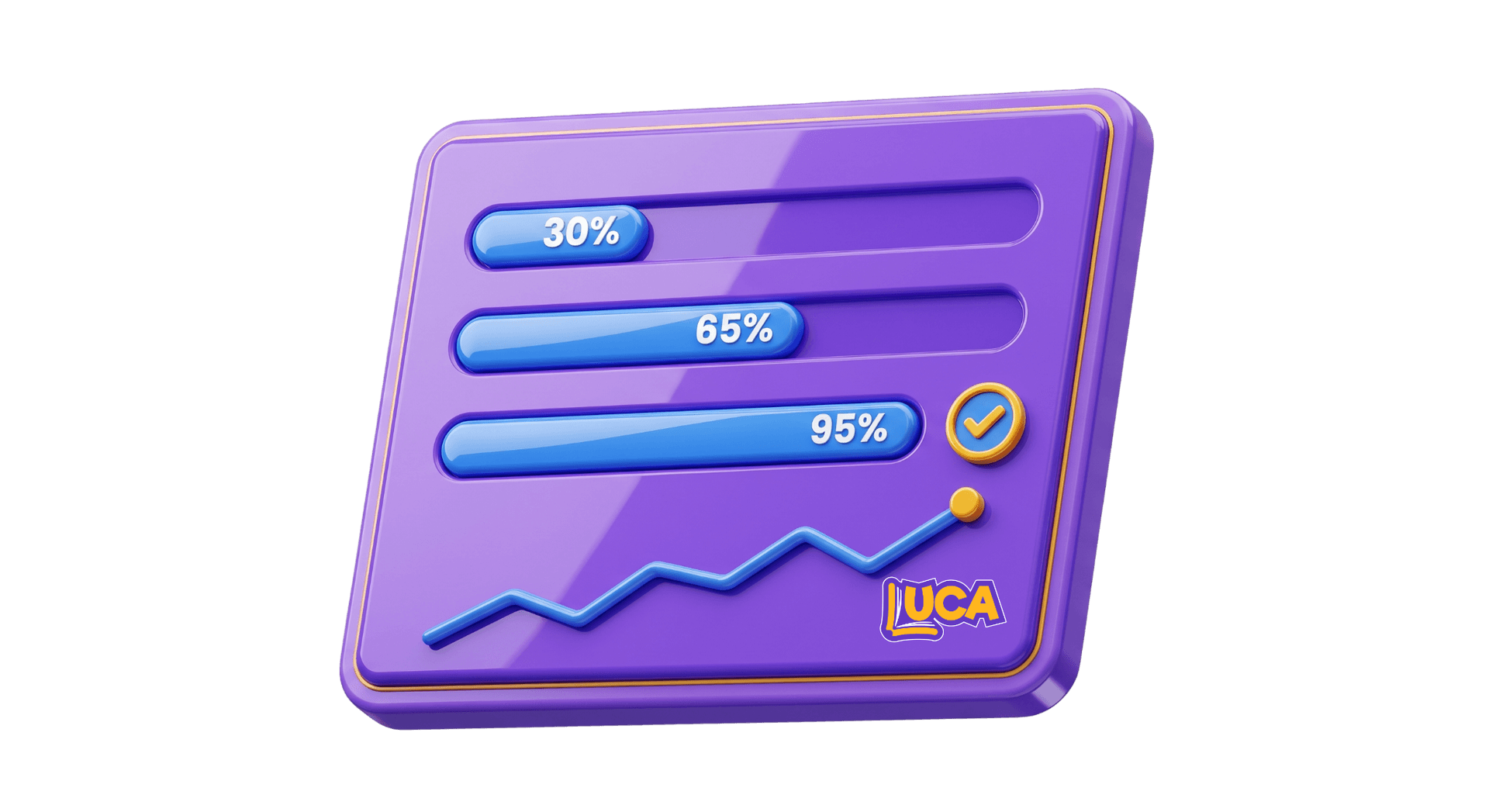
Dashboard showing SoundScout reading session data

Where SoundScout Fits in LUCA

SoundScout powers the Listen phase, the entry point for every reading session. Its signal flows into Assessment Intelligence and StoryGen to create a practice cycle that gets more precise with every session.

Listen (SoundScout)

Captures every sound at the phoneme level during oral reading.

Analyze (Assessment Intelligence)

Maps phoneme errors into skill patterns and identifies systematic gaps.

Build (StoryGen + JourneyBuilder)

Generates targeted stories and sessions that drill only the sounds causing difficulty.

Validated

Backed by Leading Research Institutions

NSF Small Business Innovation Research

NSF SBIR Grant Recipient

Federal research grant. Only 3% of applicants selected.

Carnegie Mellon University Language Technologies Institute

Carnegie Mellon University

Research partnership in language and learning technology.

United States Patent and Trademark Office

U.S. Patent No. 12,394,332 B2

Proprietary phoneme-level recognition methodology.

NewSchools Venture Fund

NewSchools Venture Fund

Selected for impact-driven education innovation.

Questions Parents Ask About SoundScout

Frequently Asked Questions

SoundScout captures audio during oral reading and segments it into individual phonemes. Each spoken phoneme is aligned against expected phonemes from the text using LUCADictionary's 763,000+ grapheme-phoneme mappings, with mismatches classified by type.

Word-level recognition knows if a word was correct or incorrect. Phoneme-level recognition knows WHY it was incorrect, identifying which specific sound caused the error (for example, a vowel substitution or a skipped blend). That difference means your child gets practice targeting the actual gap, not a general review.

Most reading programs use word-level speech recognition that marks words right or wrong. SoundScout identifies specific sound patterns causing difficulty, enabling targeted intervention through JourneyBuilder and StoryGen. Think of it as the difference between a doctor who says 'something is wrong' and one who runs a full diagnostic.

Yes. SoundScout is designed to catch errors that word-level recognition misses entirely, like /th/ to /f/ substitutions or dropped final consonant blends. These are precisely the errors that accumulate into reading gaps when left undetected.

Yes. LUCADictionary includes pronunciation variants accounting for regional differences, ensuring LUCA distinguishes between accent variations and actual decoding errors so your child is never penalized for how they naturally speak.

SoundScout is well-suited for readers who are struggling, as it pinpoints the exact phoneme patterns causing difficulty. LUCA does not diagnose reading disabilities or learning disorders. If you have concerns about your child's reading development, we encourage you to speak with a qualified specialist as well.

Start With a Free Trial

See how LUCA listens at the sound level and builds practice around exactly what your child needs.

Try the Playground →